Industry Focus
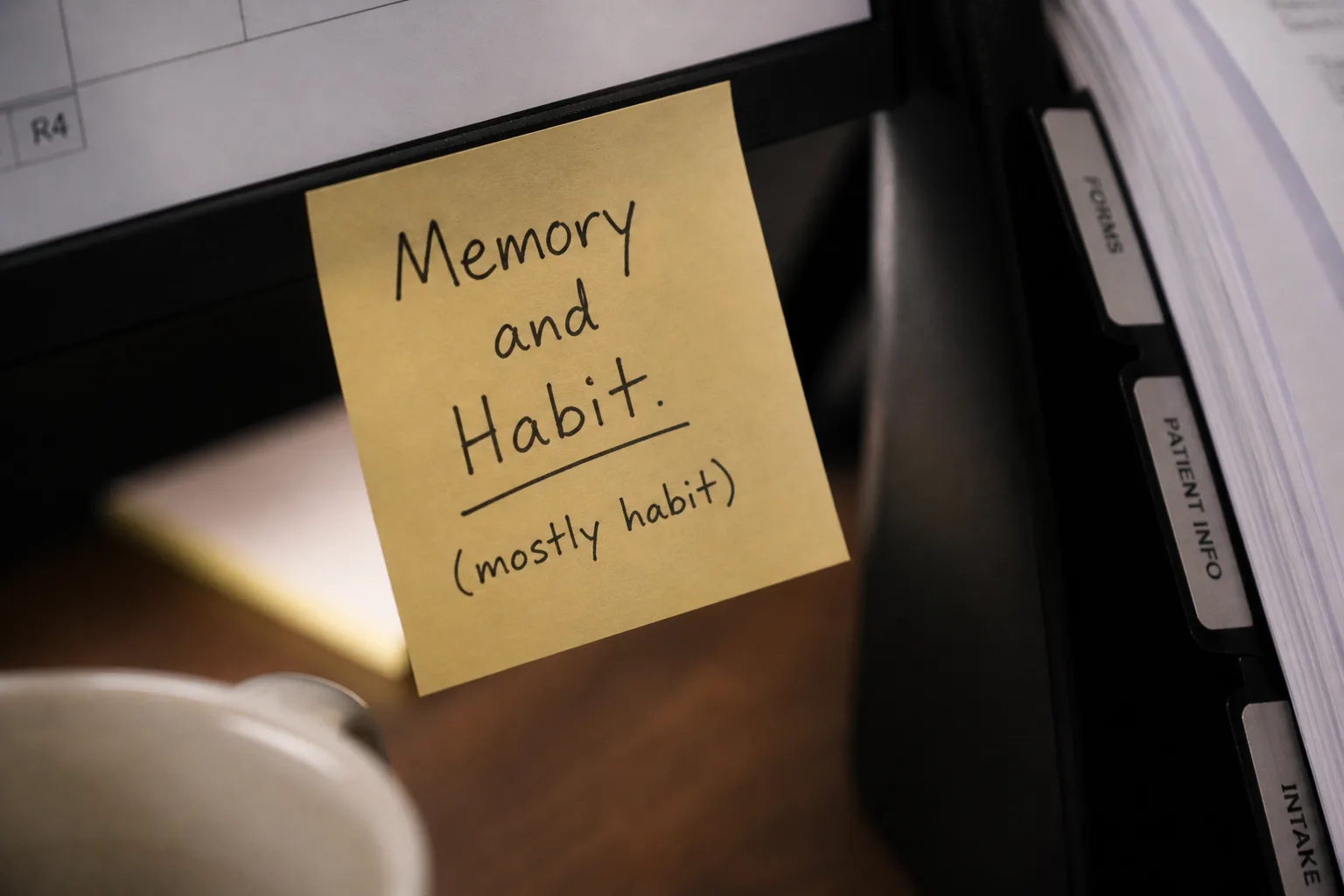
The front desk is running your practice on memory and habit.
Dentrix or Eaglesoft manages your schedule and clinical records. Everything else — recalls, payment follow-up, new patient intake, insurance verification — lives in a combination of staff habit, sticky notes, and tools nobody formally chose. When someone leaves, so does the system.
The problem
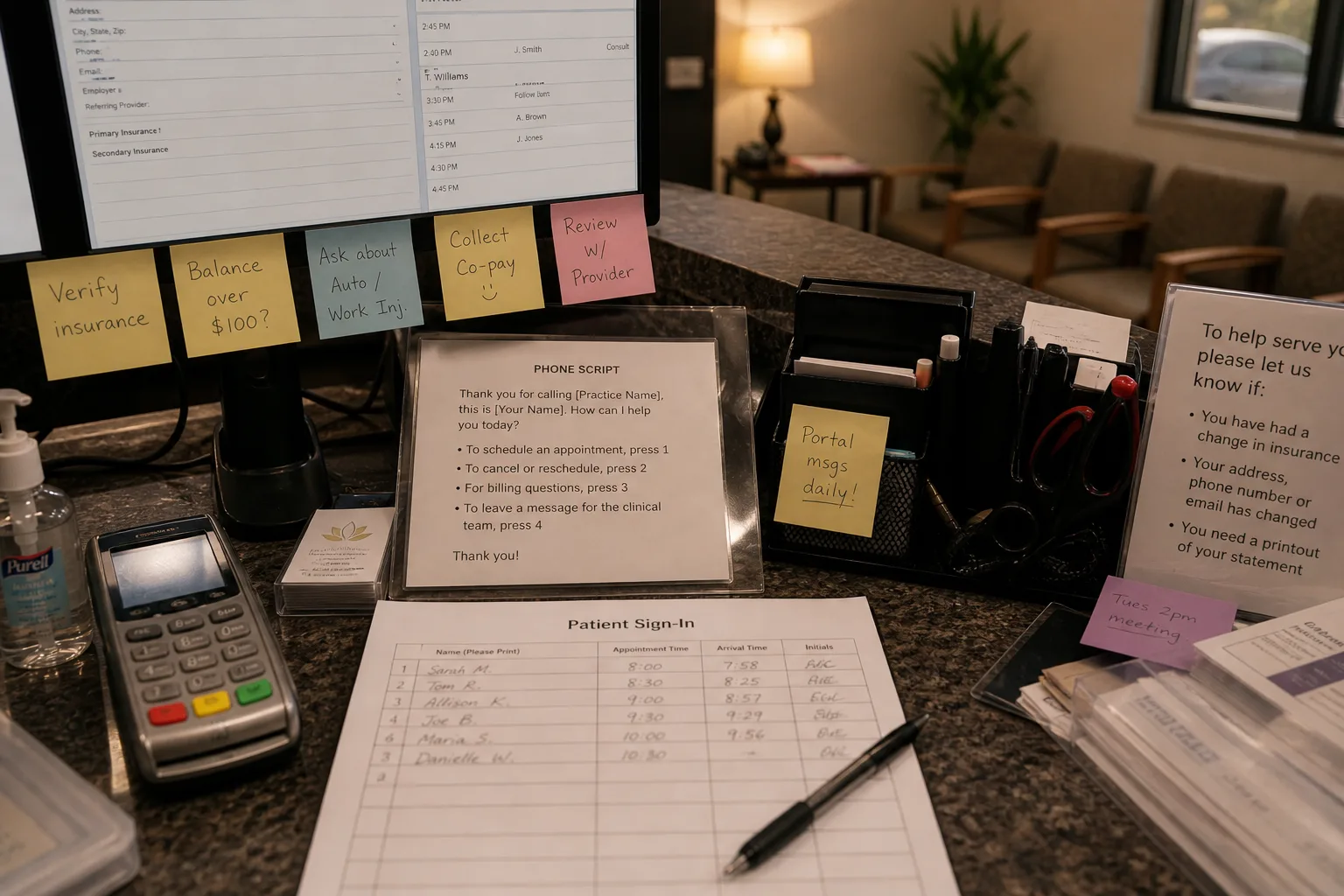
Practice management software covers about half of what a dental office actually needs to run. The other half — patient communication, reputation management, recall automation, payment collection, online intake — gets filled in with whatever tool someone recommended at a study club, whatever the rep was selling that quarter, or whatever the previous office manager set up before they left.
The result is a stack of five to eight tools that do not talk to each other, staff that checks multiple systems to answer a single patient question, and a new patient experience that varies depending on who picks up the phone.
What we fix
- N.01Audit your practice management platform against how the front desk actually uses it
- N.02Identify where patient communications are fragmented across email, text, and phone
- N.03Map every subscription the practice pays for against who uses it and what it costs per active patient
- N.04Connect scheduling, billing, and recall into a single workflow that does not require staff to check multiple systems
- N.05Document the processes that disappear when a front desk coordinator leaves
- N.06Review patient data handling against current HIPAA requirements and flag gaps
What stays the same
We do not touch the clinical side. Your practice management software stays in place. The work is everything around it: the intake process, the patient communications, the recall workflow, the billing follow-up, and the documentation that makes it repeatable when your front desk team changes.
Most of the tools you need are either already in Dentrix or Eaglesoft and unused, or available as integrations you are already paying for. The audit almost always finds both.
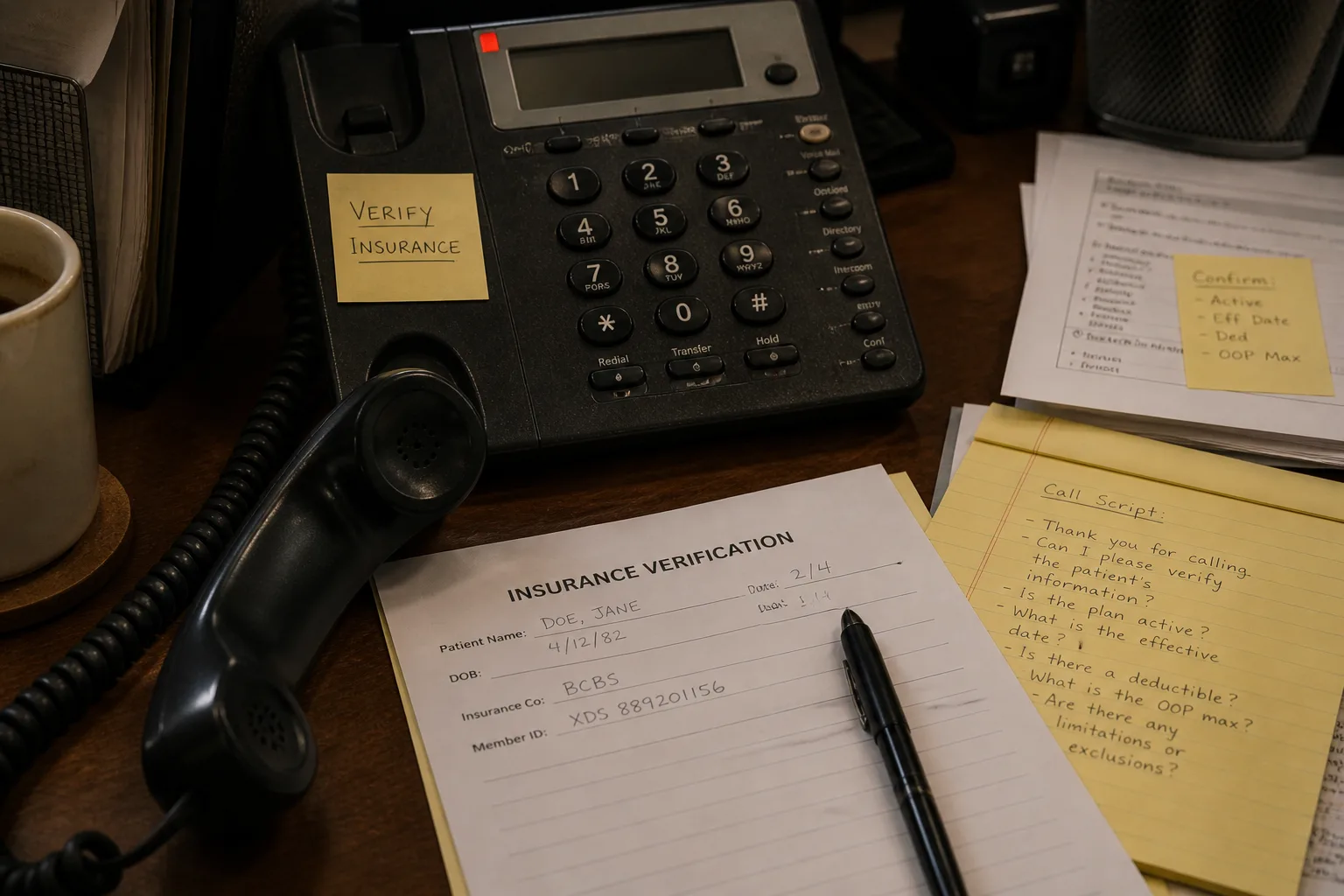
We had Weave, Birdeye, and a separate texting tool all sending different messages to the same patients. Nobody knew which one to turn off. The audit cleared it up in a week.
General dentistry practice, Virginia
Find out which tools are working and which ones are just adding noise.
The ops scorecard takes about thirty minutes. It maps your current technology stack, identifies duplicates and gaps, and gives you a clear list of what to consolidate, what to configure properly, and what to cut. You keep the report either way.
Take the ops scorecard