Industry Focus
Tax season breaks what the rest of the year hides.
The technology problems in most accounting and CPA practices are not visible until January. Multiple portals, manual document collection, data that has to be re-keyed between systems — it all surfaces at exactly the moment there is no time to fix it. The answer is not more software. It is fewer handoffs.
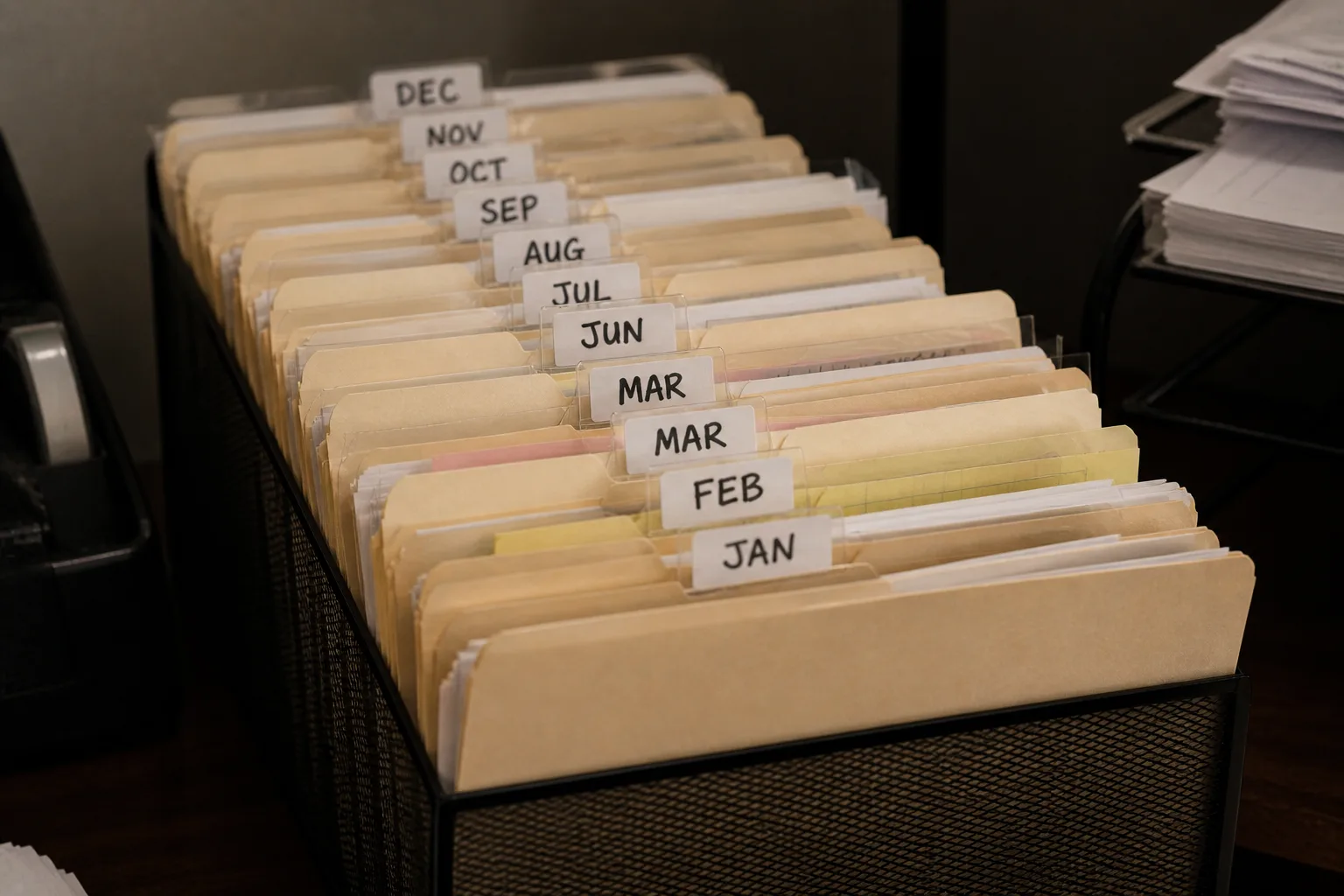
The problem
The average small accounting firm uses five or more tools for client-facing work: a portal for documents, a separate system for e-signatures, a billing platform, a scheduling tool, and email for everything that falls through the gaps. Clients get asked for the same document three times because nobody can see what came in through which channel.
During slower months this friction is annoying. In February it is a capacity crisis. Staff is chasing documents, following up on missing organizers, and reconciling data that should have moved automatically — instead of doing the actual work the engagement was billed for.

What we fix
- N.01Map every tool the firm uses for client communication, document exchange, and billing
- N.02Consolidate client portals — one place for documents, signatures, messages, and payments
- N.03Connect your practice management system to QuickBooks, Xero, or whatever sits downstream
- N.04Identify where staff is re-entering data that should move automatically between systems
- N.05Build a repeatable intake process so tax season does not start from scratch every January
- N.06Document the workflows that currently live in your senior staff's memory
The right time to do this
The work happens in Q3. Not because that is when we are available — because that is when you have the time and distance to look at the systems clearly without the pressure of a deadline. An August audit means the changes are in place before the next Q4 ramp.
Most practices that contact us in January already know what the problems are. They have been living with them for three or four seasons. The issue is never identification — it is finding the window to actually fix it. We help you close that window in Q3 so it does not become an emergency in Q1 again.
We were using four different tools to collect the same documents from the same clients. We cut it to one portal and the organizer completion rate went from 60% to 91% before filing season.
CPA practice, Maryland
Find out where your team is losing time before the next tax season starts.
The ops scorecard takes about thirty minutes. It produces a written report mapping where your current process breaks down and what to fix first. If you do this in Q3, you have time to implement before January. You keep the report regardless of what you decide to do next.
Take the ops scorecard